Lifestyle Nutrition Coaching
Educational guidance for keto-style eating routines and intermittent fasting schedules. Build sustainable daily habits through personalized coaching.
Request a Consultation
A lifestyle nutrition consultant provides educational support and guidance for individuals exploring different eating routines. We focus on habit building, meal planning basics, and developing consistency in daily nutrition patterns.
Our approach is centered on general information and personal routine development. We are not healthcare providers and do not offer medical advice, diagnosis, or treatment of any kind.

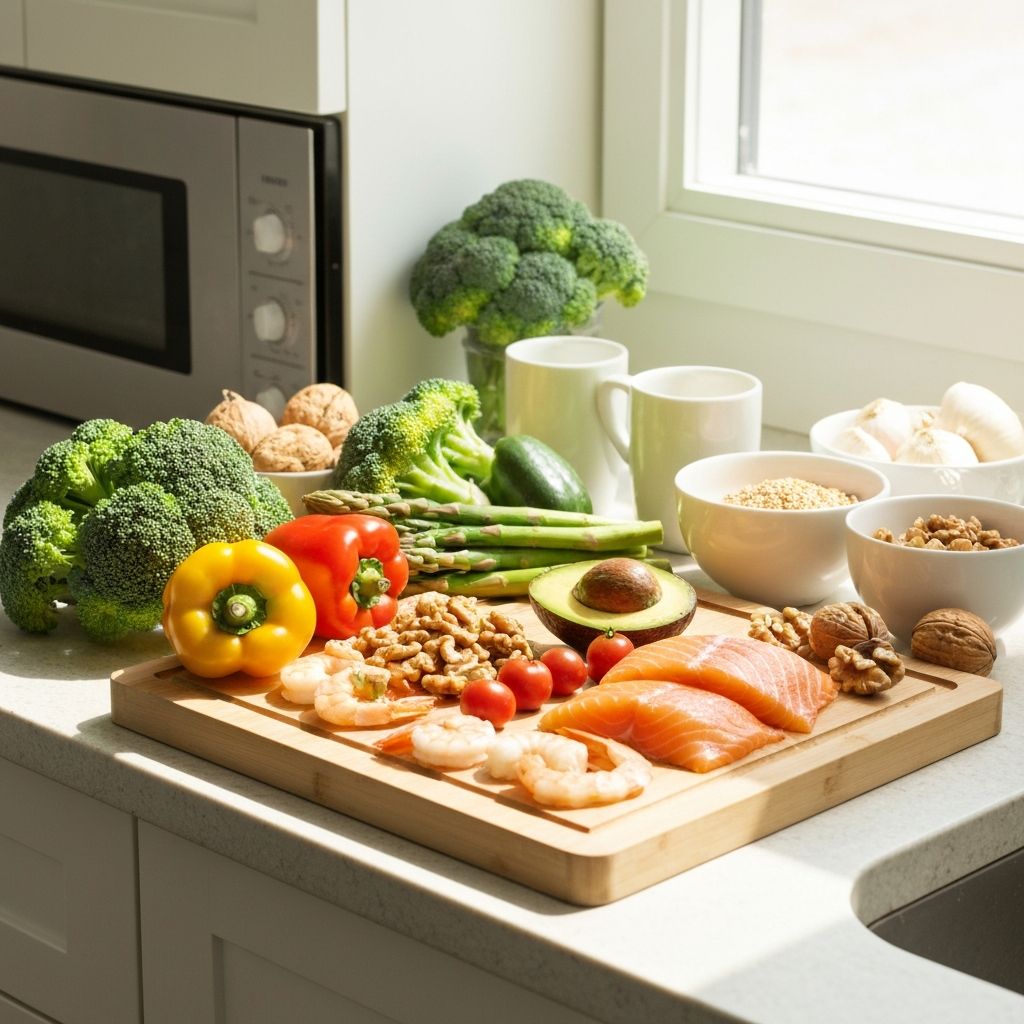
Keto-style eating, also known as ketogenic-style eating, is a low-carb lifestyle approach where you structure your meals around whole foods with reduced carbohydrate content.
This routine typically includes foods like vegetables, proteins, healthy fats, nuts, and seeds while limiting grains, sugars, and starchy foods.
People explore this approach for various personal reasons related to their daily energy patterns and food preferences. Each person's routine can be adapted to their individual lifestyle.
Intermittent fasting is an eating schedule that alternates between periods of eating and voluntary fasting. It focuses on when you eat rather than what you eat.
Common approaches include eating windows of 8, 6, or 4 hours per day, or alternate-day patterns. Some people also practice longer fasting periods occasionally.
This is a general information overview. Individuals should consider their own circumstances and consult appropriate professionals when making significant changes to their eating routines.

An eating window of 8 hours followed by 16 hours of fasting. Many people choose to eat between noon and 8 PM, though timing can be adjusted to personal schedules.
A 6-hour eating window with 18 hours of fasting. This tighter window may be explored by those already comfortable with shorter eating periods.
Also known as OMAD, this involves consuming all daily nutrition within one meal period. This is an advanced routine format that requires careful planning.
Quality sleep supports overall daily habits. Consistent sleep schedules, a calm environment, and limiting screen time before bed can contribute to better rest patterns.
Regular movement is part of a balanced lifestyle. This might include walking, stretching, strength training, or any activity you enjoy. Find what works for your schedule and preferences.
Building sustainable habits takes time and patience. Focus on small, manageable changes rather than dramatic shifts. Consistency matters more than perfection.
A balanced lifestyle includes basic skincare habits. Staying hydrated, using a hydrating face cream, and protecting your skin from excessive sun exposure can support healthy skin. Some people explore products with hyaluronic acid or collagen for additional skin hydration support.
People explore keto-style eating and intermittent fasting for various personal reasons related to their daily routines and lifestyle preferences.
This content is for educational purposes and general lifestyle guidance. It is not intended for individuals with specific health conditions or those who require specialized nutritional support. If you have questions about whether these routines are appropriate for your circumstances, consult with qualified healthcare professionals.
When exploring any new eating routine, it is important to approach changes mindfully and gradually. Everyone's circumstances are different, and what works for one person may not be suitable for another.
We provide general educational information about nutrition routines and lifestyle coaching. We do not provide advice on specific health conditions, nor do we replace the guidance of healthcare professionals.
You are responsible for your own choices regarding nutrition and lifestyle. If you have concerns or questions about your individual circumstances, we encourage you to speak with appropriate professionals before making significant changes.
Please review our Health Disclaimer for complete information about the nature and limitations of our services.
The meal planning guidance helped me organize my weekly routine much better. I feel more prepared and confident with my food choices.
Andi R., Jakarta
Learning about different fasting schedules and how to structure my eating window was very helpful. The educational approach made it easy to understand.
Budi S., Bandung
The lifestyle coaching gave me practical tips for building consistent habits. I appreciate the focus on education rather than making unrealistic promises.
Dewi M., Surabaya
Begin by educating yourself about food choices and gradually reducing carbohydrate intake while increasing healthy fats and proteins. Many people find it helpful to start with meal planning and tracking their food choices to understand their current habits.
Many people start with a 12:12 schedule, eating within 12 hours and fasting for 12 hours. From there, some gradually extend to 14:10 or 16:8 as they become comfortable with longer fasting periods. There is no single schedule that works for everyone.
Focus on whole foods including leafy greens, non-starchy vegetables, proteins like fish and poultry, eggs, nuts, seeds, and healthy fats from sources like avocado and olive oil. Limit grains, sugars, and starchy vegetables.
Yes, many people adapt their routines while traveling. Planning ahead, researching food options at your destination, and being flexible with your timing can help. Some people adjust their eating windows to accommodate different time zones and schedules.
Consistency is valuable for building sustainable habits, but flexibility is also important. Life circumstances change, and your routine may need to adapt. Focus on developing patterns that work for your lifestyle over the long term rather than strict perfection.
Vitamins and minerals are essential nutrients that support various body functions. A diverse diet with whole foods typically provides adequate nutrition for most people. For specific questions about your individual needs, consider speaking with a qualified nutritional professional.
No. Lifestyle nutrition coaching provides educational information about eating routines, meal planning, and habit building. It is not medical advice, and does not involve diagnosis or treatment of any kind. If you have health concerns, consult appropriate healthcare professionals.
Request a consultation to learn more about keto-style eating and intermittent fasting routines. Get personalized guidance on meal planning and building consistent daily habits.
Request Information